




How Is Sound Insulation Done for Conference Halls?
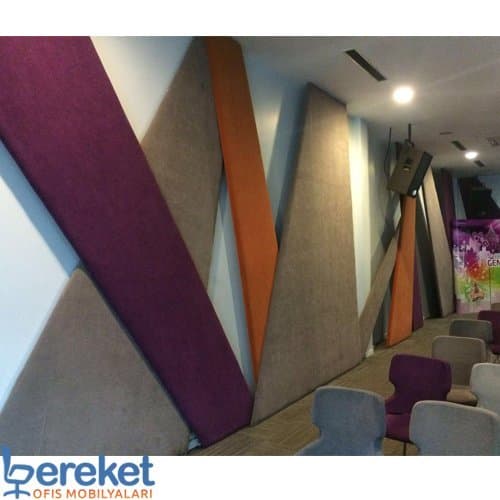
What Is Sound Insulation for Conference Halls?
Sound insulation for conference halls is an acoustic treatment applied to improve in-room sound quality and minimize noise intrusion from outside the space. A properly planned sound insulation system makes speech easier to understand and eliminates unwanted acoustic issues such as echo, reverberation and uneven sound distribution. In multi-purpose conference and event venues, insulation is typically approached as a two-way goal — keeping outside noise from entering the room, and keeping sound generated inside from carrying beyond it.
How Is Sound Insulation Applied? Stages
Effective sound insulation isn't achieved with a single material — it relies on a comprehensive approach covering walls, ceilings, floors and openings:
- Acoustic assessment of the space and identification of noise sources
- Installing acoustic panels on wall and ceiling surfaces
- Fitting sound-absorbing foam and fabric coverings
- Using sound-absorbing materials in the floor covering
- Sealing and insulating door and window openings
- Surface treatment and acoustic positioning to reduce echo
- Post-installation sound testing and fine-tuning as needed
Material thickness, the air gap left between layers, and the density of the materials used are the core factors that determine how effective the insulation will be — which is why a space-specific acoustic assessment is recommended before installation begins.
Benefits of Sound Insulation
A properly installed sound insulation system does more than block noise — it optimizes the room's overall acoustics. Speech becomes clearer, distractions are reduced, attendees find it easier to stay focused, and overall meeting or event efficiency improves. An acoustically comfortable venue also reflects positively on an organization's professional image.
What Affects the Cost and Process?
The scope and process of a sound insulation project depend on the hall's floor area, ceiling height, existing building materials, the target insulation level (for example, basic echo control versus full sound isolation), the type of acoustic material used, and the number of openings such as doors and windows. An accurate assessment requires an on-site inspection and acoustic measurement.
Why Work with Specialists
Sound insulation requires technical expertise, from material selection through to installation technique — a poorly planned application may not deliver the expected result. Get in touch with our team for detailed guidance and a quote for your conference hall sound insulation project.