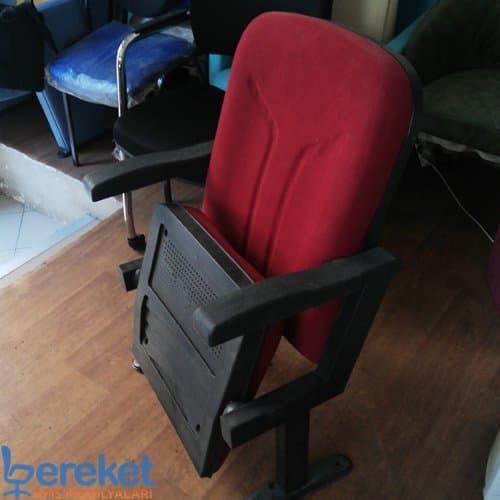
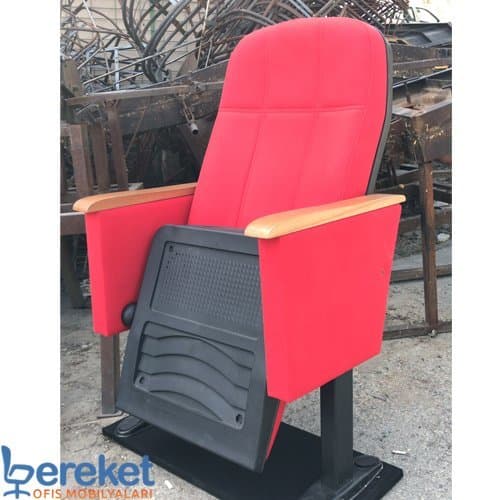
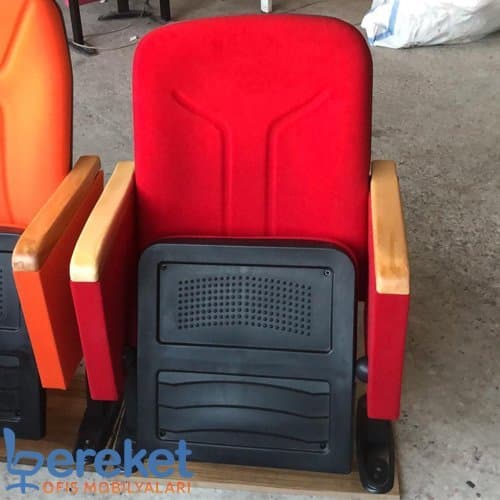
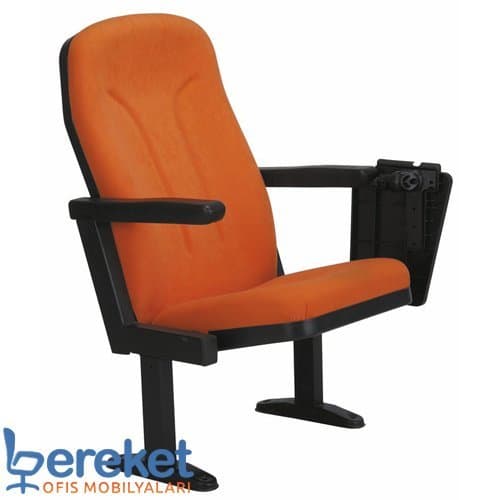
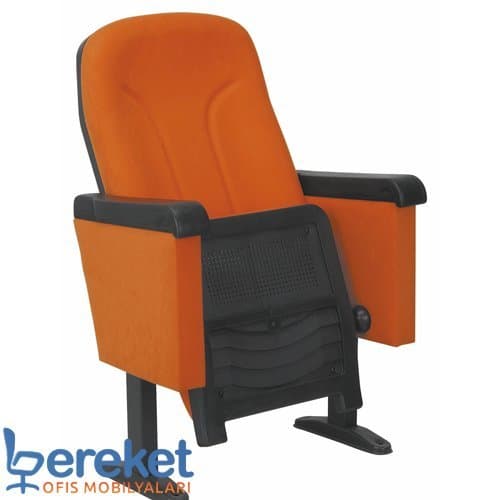
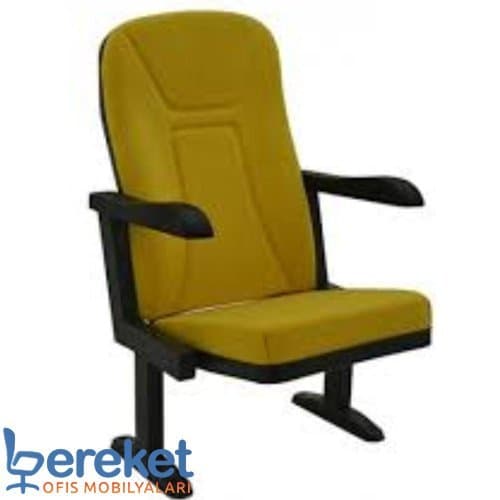
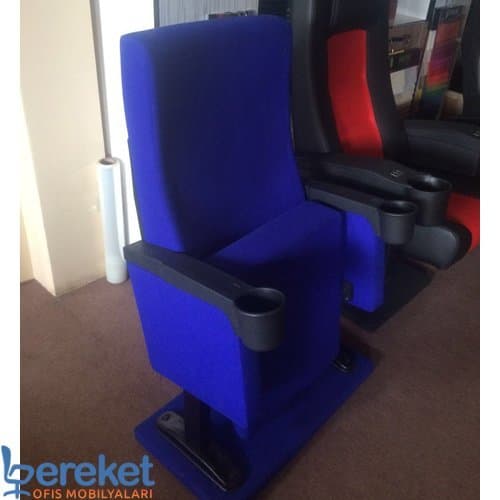
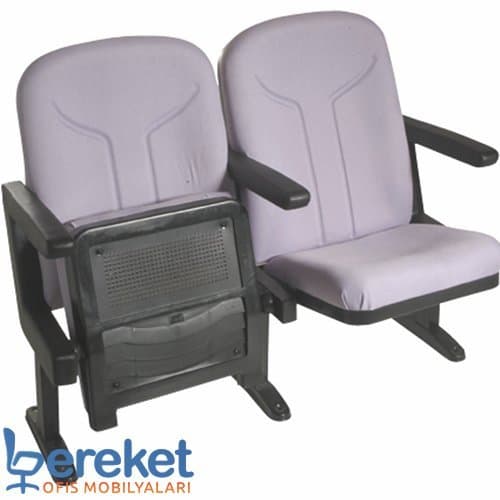
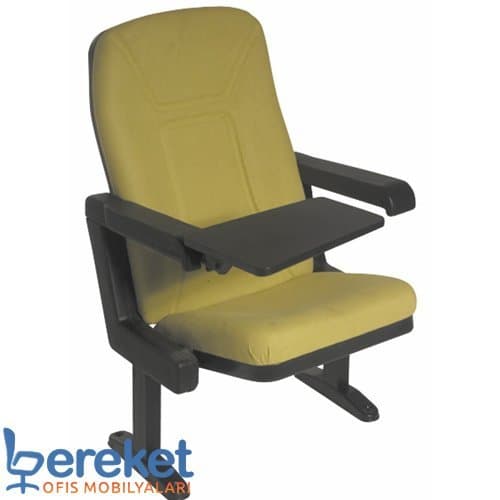
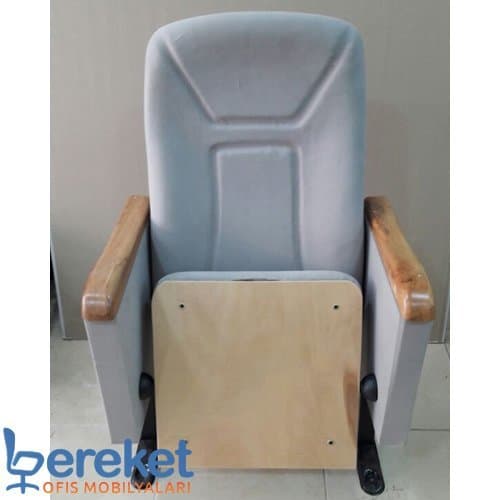
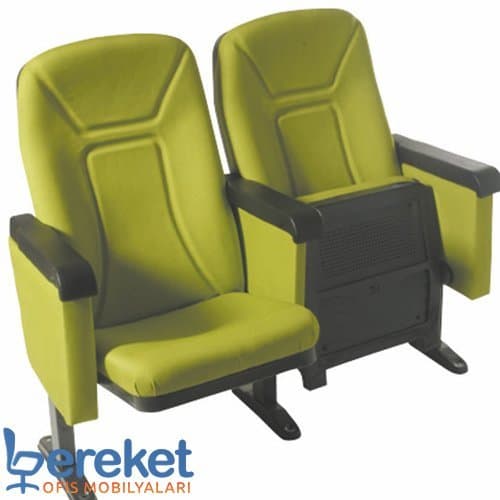
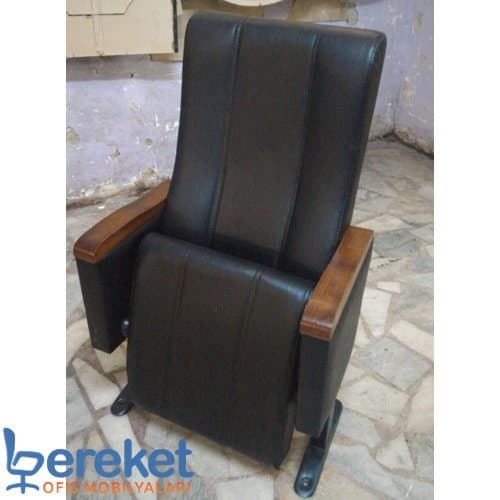
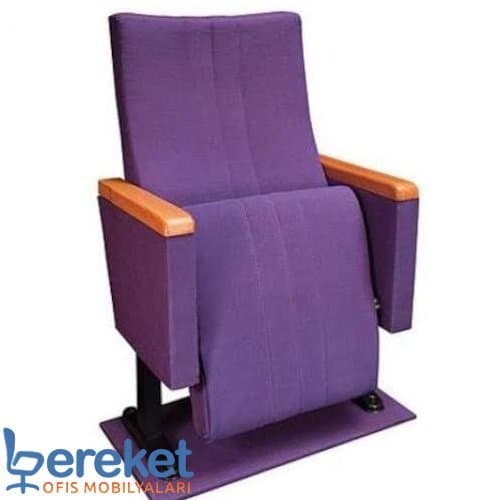
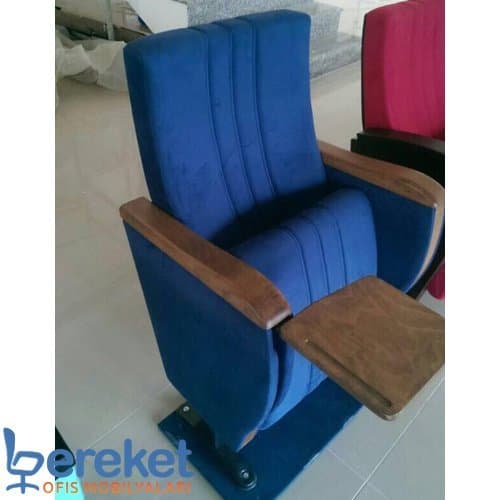
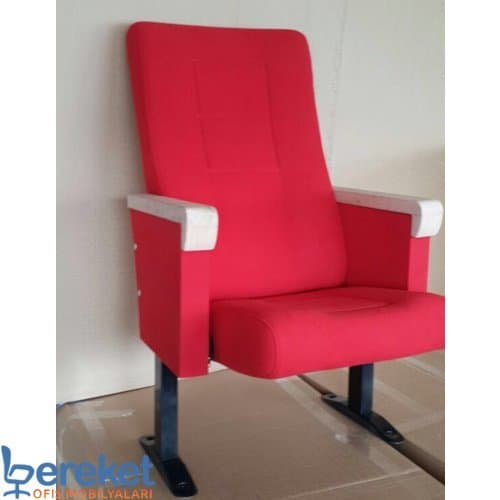
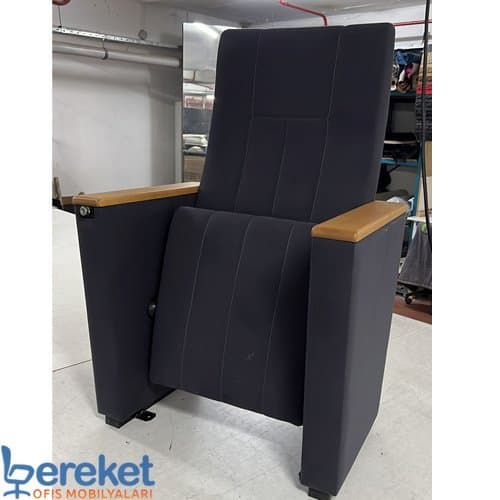
Durable, comfortable conference chairs built for universities, hotels and training centers, with frame and mechanism quality designed to hold up for years.
The first thirty minutes of any session are usually fine. The real test comes after the second hour, once attendees start checking their watch instead of listening. More often than not, that has less to do with the speaker and more to do with what they're sitting on. That's why conference chairs shouldn't be treated as an afterthought purchase. When lower-back support, a quiet mechanism and a solid frame come together, people stay focused without fidgeting; without that combination, a room fills with shifting weight and distracted glances at the clock. After years working with venues on exactly this, this page walks through what actually matters when picking a chair, what drives the price difference between two models that look identical, and which type fits which kind of room.
A chair's comfort rarely shows up in the first ten minutes — it shows up in hour three. When comparing conference chairs, look for a backrest angled slightly rather than perfectly upright, and a seat wide enough not to feel cramped. Armrests shouldn't push the shoulders upward, and the fabric shouldn't trap heat during longer sessions. These details sound minor on paper, but they directly affect whether people want to stay in the room.
A lecture hall used daily has different needs than a meeting room booked once or twice a month. High-traffic spaces call for a thicker-gauge metal frame and a mechanism that stays quiet through repeated sitting and standing. In rooms used less often, appearance can take slightly more priority, though durability still shouldn't be an afterthought. Matching the build to actual usage frequency cuts down on repair calls down the line.
Conference chairs aren't built with a single setting in mind — every venue has its own set of expectations.
Universities, seminar halls and training centers use the same seating for hours every single day, so the priority is comfort that holds up and a consistent fit across a full row. Hotel meeting rooms and conference centers need a balance of polish and comfort, since the audience there changes constantly. In multi-purpose event spaces, stacking ease and quick reconfiguration often end up mattering more than anything else.
This comes up constantly, since everyone wants to manage a budget sensibly.
Cheap conference chairs and genuinely affordable conference chairs get lumped together, but they're not the same product. Cheapness usually comes from low-density foam, a thin frame profile, or weak joint points — problems that don't show up in year one but show up fast after that. A well-made budget model, on the other hand, simply skips unnecessary extras while keeping the frame and mechanism solid. The right question when comparing prices isn't "how low can it go," it's "where did that price come from." If there's no clear answer, that's usually the model to skip.
When people ask why conference chair prices vary so much between models that look nearly identical, the answer is always the same: two chairs can look alike from three feet away and still be built completely differently on the inside.
Price is mostly decided by what you can't see. Frame thickness, weld strength, and how quietly the mechanism handles sitting and standing all factor in here. A poorly made mechanism starts creaking within months, and that alone changes how a whole room feels. A solid frame and mechanism mean less maintenance and fewer complaints over the years that follow.
Fabric weight and foam density affect cost just as directly. Low-density foam feels fine on day one but flattens out within a few months. Breathable, wear-resistant fabric lasts longer and stays presentable even under heavy daily use. Spending a bit more here usually means replacing the chair much later, which protects the budget rather than draining it.
There's no single answer, since lifespan depends on how often the chairs are used and what's inside them. In a hall used several hours a day, a well-built conference chair with a solid frame and mechanism can hold its shape for years. What matters isn't the surface finish but foam density, metal gauge, and how solid the joints are. Even in a heavily used training facility, a carefully chosen model can easily outlast expectations. That's why the buying decision should focus on what's inside the chair, not just how it photographs.
Contrary to what most people assume, conference chair prices aren't set mainly by fabric color or outward styling. Foam density, frame thickness, weld quality, and how quiet the mechanism runs are the real cost drivers. Two models can look nearly identical side by side and still be built completely differently underneath. When comparing prices, it's worth looking at materials and manufacturing standards rather than the number alone. A chair that needs less upkeep over time often ends up cheaper overall, even if it costs a bit more upfront.
Yes, with the right manufacturer and model. Affordable conference chairs simply drop unnecessary extras while keeping the core structure intact. The key question is whether the savings came from styling or from durability. Chairs built with a simple design but a solid frame and mechanism can run for years without issues. Problems start when the savings come from hidden joint points or foam quality — details that are hard to spot just by looking. That's the real difference between "affordable" and "poorly made."
For a bulk order, comfort on a single chair isn't enough — the entire batch needs to be built to the same standard. Consistency in joint quality, welding, and fabric color across the whole order directly affects how the room looks once everything's set up. Stacking ease, the risk of damage during shipping, and whether the same model can be reordered later all deserve attention too. When buying conference chairs in bulk, it's worth requesting a few units to test in person rather than deciding from a single sample alone.
The most common mistake is judging a chair purely by a catalog photo or price tag without ever sitting in it. Plenty of models that look great on paper fall short in actual use. Another frequent slip-up is ignoring usage intensity — picking a lighter-built conference chair meant for occasional use and putting it into a heavily trafficked room. Decisions made without pinning down sitting duration, headcount, and the room's real purpose tend to backfire quickly. Whenever possible, sitting in the actual chair before ordering remains the most reliable check.
A chair isn't judged by how it looks in a photo — it's judged by how it holds up in daily use. However good a catalog image looks, the real answer only shows up once someone sits down. Once usage frequency, audience type, and budget are clear, picking a model that doesn't cut corners on frame and mechanism quality saves a lot of headaches later on.
If you'd like help narrowing down the right model, requesting a sample, or getting a quote for a bulk order, reach out to our team directly — happy to bring years of hands-on experience to whatever your project needs.