A wide range of seminar chairs including tablet-arm, armrest, training-room and hotel-grade models, manufactured in Istanbul, Turkey. Lightweight, stackable seminar chairs for training rooms and seminar halls.
Walking into a seminar room and thinking the chairs "look nice" is easy; the real question is whether they actually fit how that room gets used. Seminar chairs look like a single category, but they cover fairly different needs underneath: a training session where people take notes constantly has completely different chair requirements than a conference where people mostly just listen. As a manufacturer that designs and delivers this product line, we see where the wrong choice happens most often — and it's rarely about chair quality itself, it's about whether that chair fits the room's actual use. This page walks through the practical differences between a standard conference chair and a seminar chair, when tablet-arm and armrest models make sense, and what actually drives conference chair prices in this segment.
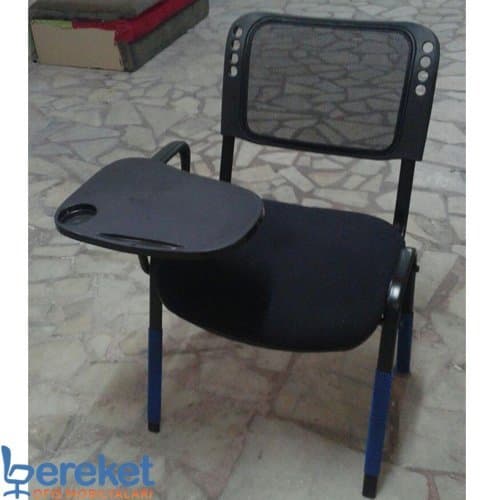
A room being labeled a "seminar room" doesn't automatically mean it needs a tablet-arm chair. If attendees are mostly listening with the occasional note, a plain conference chair is usually enough. But in training, testing or workshop formats where attendees need a writing surface in front of them continuously, a tablet-arm model that works without a separate table changes productivity directly. Skipping this distinction tends to end with rooms needing tables added on later — an avoidable extra cost.
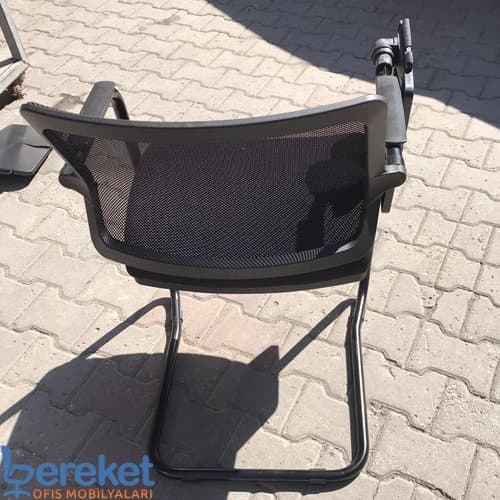
An armrest seminar chair gets chosen mainly for longer sessions, since resting the arms actually matters once a session runs past two or three hours. That said, armrest models take up more space, which can create tight passage issues in rooms with narrow row spacing. So the armrest decision shouldn't be based on comfort alone — it needs to account for row layout and per-person floor space too.
A tablet arm conference chair provides a work surface without needing a table, which uses far less floor space in a classroom layout and lets more attendees fit in the same room. The fold-away tablet tucks against the chair when not in use, easing passage and letting the room switch quickly to a meeting-style layout. This flexibility matters a lot in multi-purpose spaces that alternate between training and event use.
Floor area is the deciding factor for a training room chair. Tutoring centers and smaller classrooms usually work with limited space, so lightweight, narrow-profile models are the practical choice. These same chairs often double as a conference chair, which lets one room serve both teaching and seminar use.
If a space gets reconfigured for different events often, stackability becomes a critical criterion. Chairs that stack cleanly cut down storage footprint significantly once the room is cleared, and speed up setup and teardown. This detail gets overlooked constantly, especially in multi-purpose school and training facility halls.
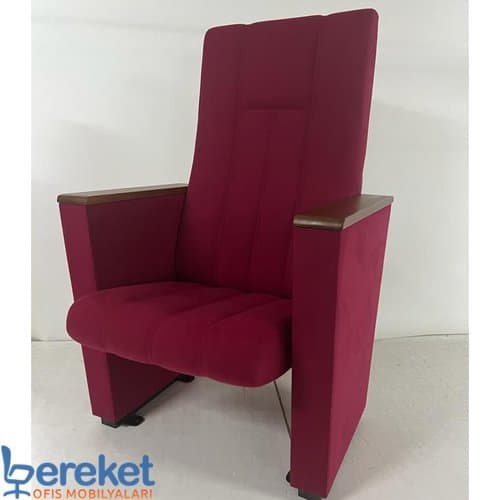
What's often referred to as a Hilton-style conference chair is a polished, durable model favored in hotels and corporate event venues. In this segment, material quality matters just as much as looks — fire-rated fabric and a solid metal frame both meet safety standards and hold up under heavy, frequently changing event schedules. In these venues, the chair shapes the overall sense of the space, not just the seating itself; cutting corners on material here saves money short-term but tends to mean earlier replacement.
No, it depends entirely on the event format. In training, testing or workshop rooms where attendees take notes continuously, a tablet arm conference chair provides a real productivity boost. In rooms used purely for listening, though, the tablet becomes an unnecessary space and cost addition. This decision should follow the room's actual primary use — mixing tablet-arm and plain models within the same budget is also a reasonable option.
The core trade-off is comfort versus floor space. An armrest seminar chair improves comfort over long sessions by letting the arms rest, but takes up more room space. Non-armrest models are more compact, fitting more chairs into the same area. Short sessions with high headcount favor non-armrest models; longer sessions where comfort matters more favor armrest models.
A training room chair is built narrower and lighter to maximize efficiency in smaller spaces, and usually comes with a tablet arm. A standard conference chair has a wider seat and sometimes extra comfort features like armrests, since it's designed for larger rooms where comfort takes priority. Either can substitute for the other, but room size and session length should drive the choice.
Conference chair prices vary based on fabric quality, frame material, and whether extras like a tablet arm or armrests are included. Two visually similar chairs can differ significantly in price once frame thickness or fabric fire-rating certification comes into play. For bulk orders, skipping features that aren't needed — choosing a plain model when a tablet isn't required, for instance — is one of the most practical ways to manage budget.
These venues typically prioritize a combination of polished looks and durability. Hilton-style conference chair models stand out in this segment because they offer a refined look while being built to withstand heavy, frequently changing event schedules. Chair choice in hotels and corporate event spaces affects the venue's overall image, not just that day's event — which is why not cutting corners on material quality pays off over the long run.
Choosing a seminar chair isn't really about finding a single "best model" — it's about matching the model to how the room actually gets used. Note-taking intensity, session length, room width, and whether the chairs need to stack and move all need to be clear before deciding; skipping that step tends to create extra cost and rearrangement problems later.
Tell us how your room gets used, and we'll help narrow down the right model and options for your budget together.